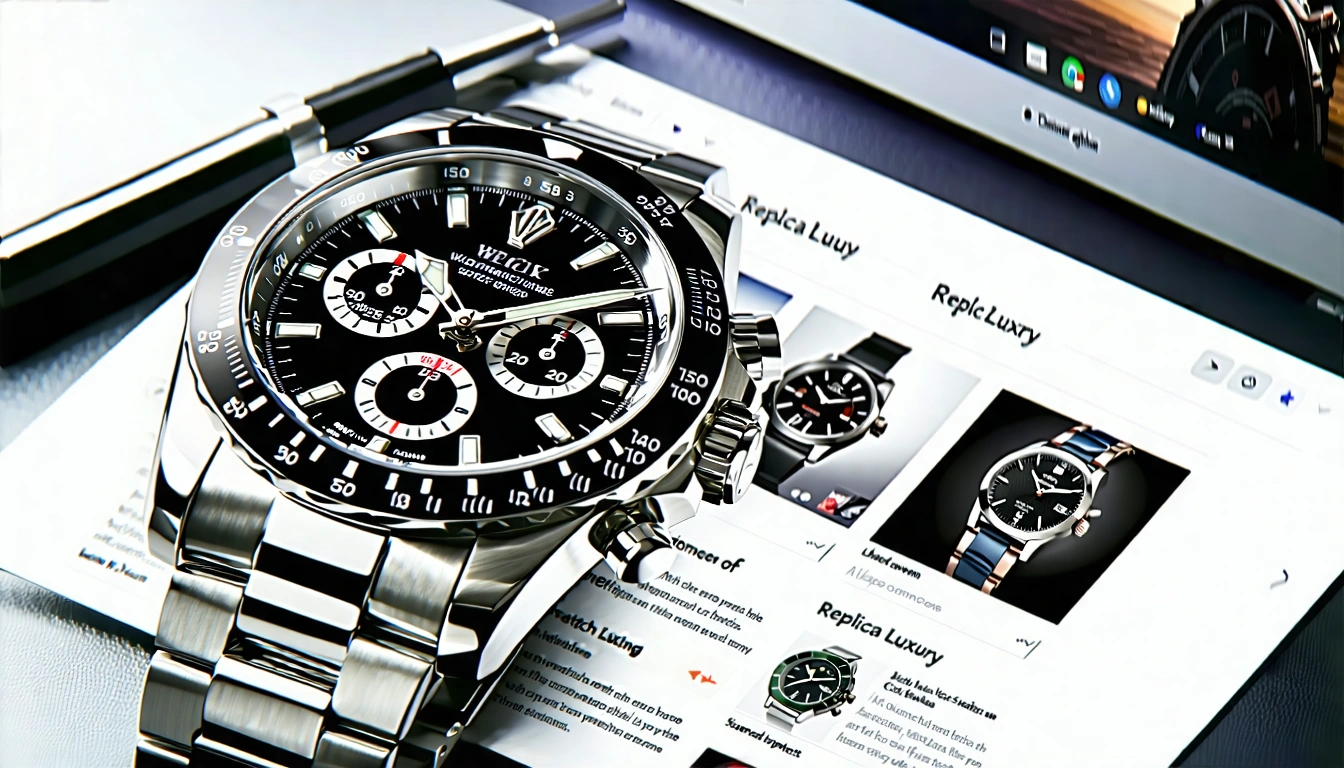
This case demonstrates a high-confidence dial replacement where the external appearance remains convincing at casual viewing distance. Under controlled imaging, several signals align: minute track phase drift, inconsistent print edge density, and a lume emission curve that departs from known reference behavior.
Secondary indicators include edge crispness of the dial text and subtle differences in varnish sheen under raking light. Together, these cues suggest the dial is not original to the case, even if other components match expected specifications.
Recommended next steps: confirm movement serial congruence, inspect hand stack clearance for tool marks, and capture AR coating behavior under standardized angles to rule out multiple-component substitution.